
AI Content QA vs Human Editing
AI QA catches repeatable issues quickly. Human editing adds judgment, nuance, and risk awareness. Neither should replace the other.
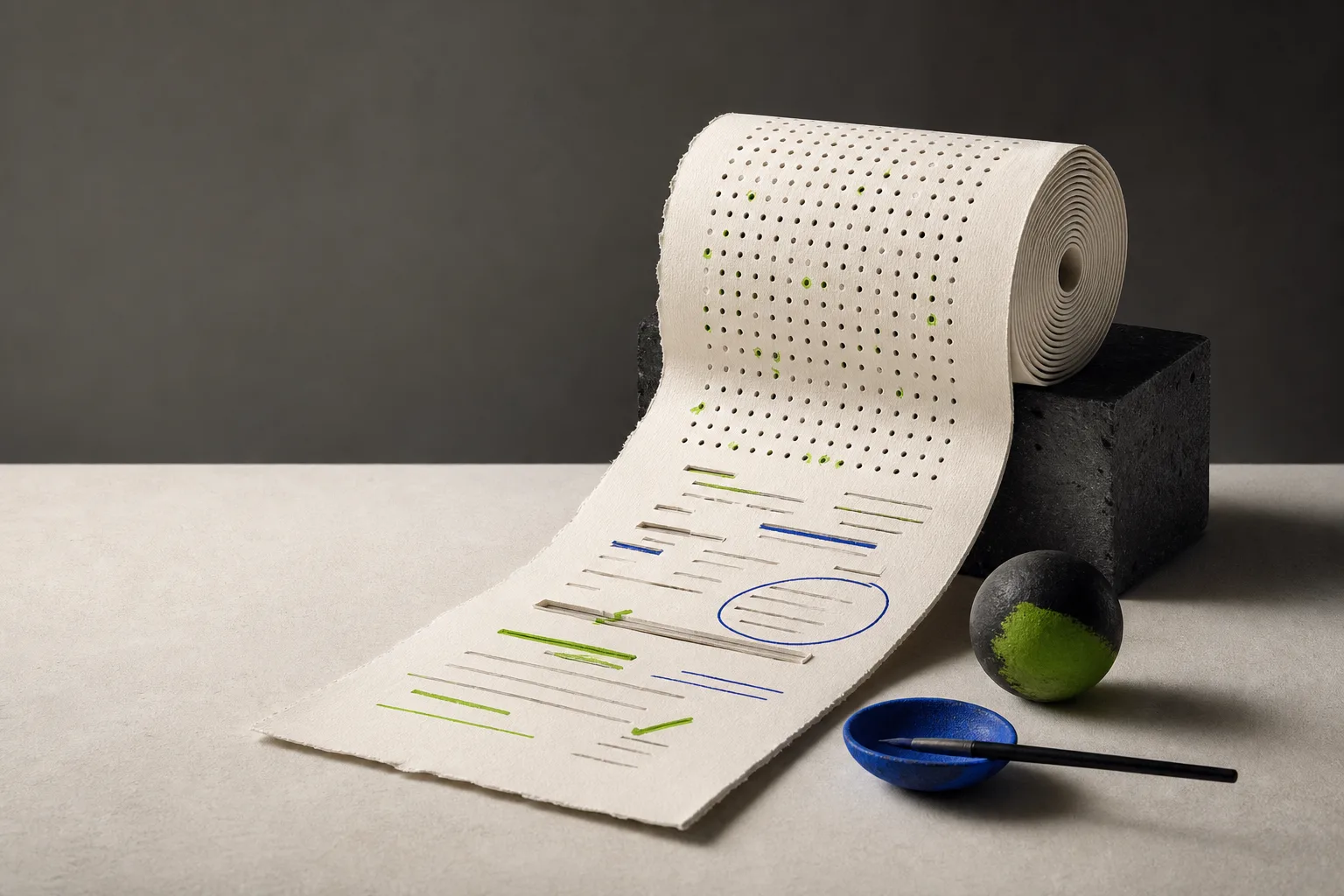
AI Content QA vs Human Editing
AI content QA and human editing are strongest when they are assigned different jobs.
The choice is not about which side sounds more modern. It is about which operating model matches the work your site needs to do next.
The Real Difference
AI QA is good at checking structure, missing metadata, weak links, forbidden terms, duplicate headings, and repeated patterns. Human editing is better at judgment, risk, examples, and taste.
AI content QA usually wins when the team needs repeatable checks, scale, speed, and objective publishing rules. human editing usually wins when the team needs subject expertise, brand nuance, compliance, and final judgment. Problems start when teams buy one model and expect the other one to behave the same way.
This is why comparison content has to start with the job, not the label. A tactic that works for a mature site can be wasteful for a new one. A workflow that works for one domain can break when the same team manages five.
When AI content QA Makes Sense
Choose AI content QA when the bottleneck is clear and the supporting system already exists. The team knows the audience, has a clean site structure, can review output, and has enough internal context to keep publishing aligned.
In that environment, AI content QA can create leverage. It can improve a specific part of the SEO workflow without forcing the team to rebuild everything around it.
When human editing Makes Sense
Choose human editing when the problem is broader than one task. If the team is trying to build a repeatable publishing machine, it needs planning, prioritization, internal linking, QA, and measurement to work together.
That connects directly to the AI content risk review. The strongest SEO systems are not a pile of disconnected actions. They are a workflow where every article, link, refresh, and metric has a job.
The Mistake to Avoid
The common mistake is asking human editors to catch everything manually, then blaming AI when repeatable checks are missed.
The fix is to write down the decision rule before choosing the tool or tactic. What needs to improve first: volume, quality, visibility, conversion, refresh speed, or multi-site control?
What to Measure
Measure QA failure rates, editor time, factual corrections, risk flags, and how often the same issue reappears after review.
Do not judge the decision after one article or one week. Compare the trend across a full publishing cycle. Look at whether the system produces useful pages, links them clearly, and gives the team fewer manual decisions over time.
The Bottom Line
AI QA should remove repeatable defects. Human editors should raise the quality ceiling. The best workflow gives each layer a clear job.
SIA SEO is built for teams that want SEO content strategy, article generation, QA, internal linking, images, and publishing to work as one operating system.