
Template-Based Articles vs Custom Prompts
Templates create reliable structure. Custom prompts create brand and strategy fit. The strongest AI content systems combine both.
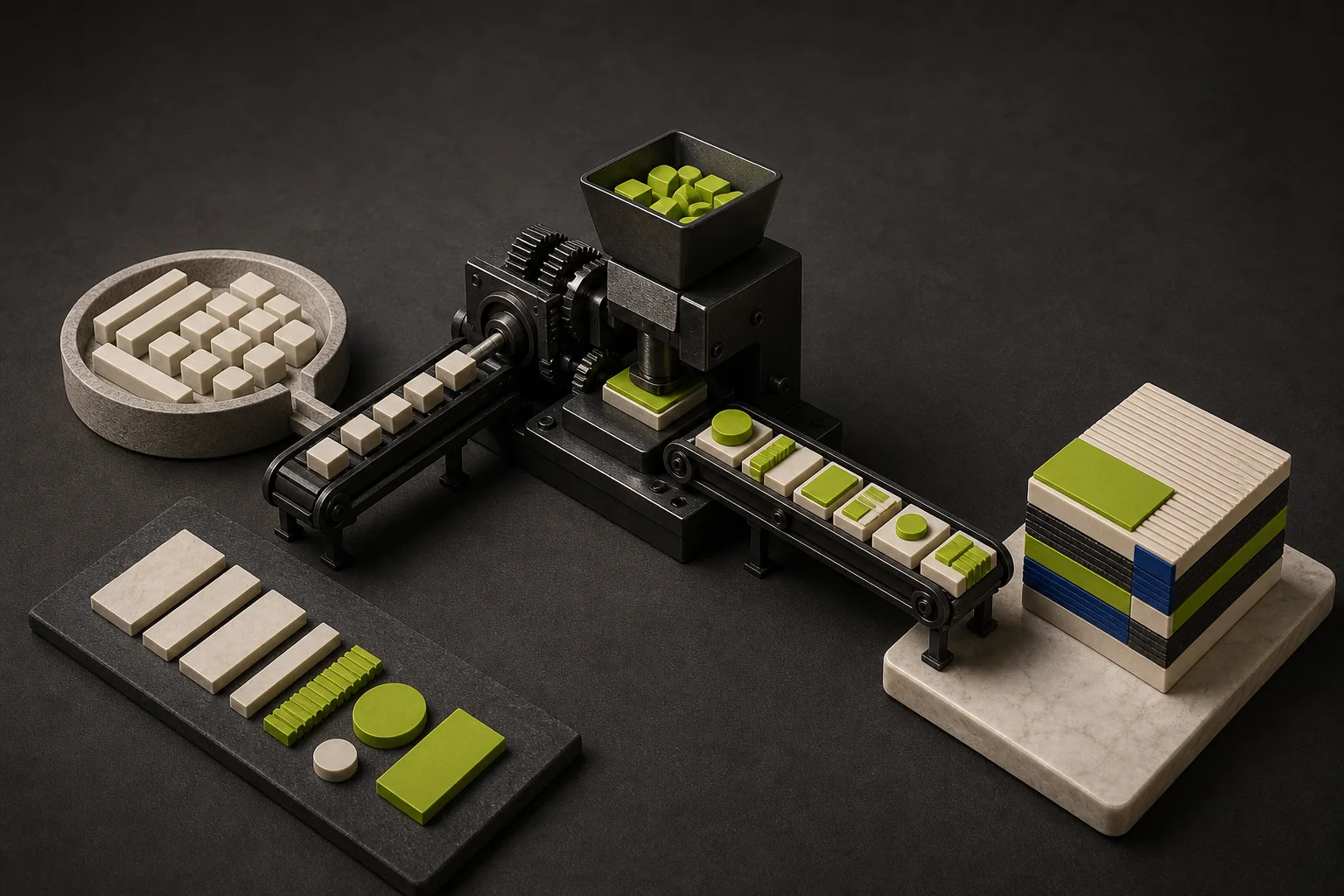
Template-Based Articles vs Custom Prompts
Templates and custom prompts are often treated as opposites. In a serious content system, they should work together.
The choice is not about which side sounds more modern. It is about which operating model matches the work your site needs to do next.
The Real Difference
Templates protect structure. Custom prompts protect intent, voice, examples, image direction, and the specific way a brand explains its market.
template-based articles usually wins when the team needs repeatable formats, search intent alignment, and predictable article architecture. custom prompts usually wins when the team needs differentiation, brand voice, niche requirements, and visual customization. Problems start when teams buy one model and expect the other one to behave the same way.
This is why comparison content has to start with the job, not the label. A tactic that works for a mature site can be wasteful for a new one. A workflow that works for one domain can break when the same team manages five.
When template-based articles Makes Sense
Choose template-based articles when the bottleneck is clear and the supporting system already exists. The team knows the audience, has a clean site structure, can review output, and has enough internal context to keep publishing aligned.
In that environment, template-based articles can create leverage. It can improve a specific part of the SEO workflow without forcing the team to rebuild everything around it.
When custom prompts Makes Sense
Choose custom prompts when the problem is broader than one task. If the team is trying to build a repeatable publishing machine, it needs planning, prioritization, internal linking, QA, and measurement to work together.
That connects directly to prompt-informed content strategy. The strongest SEO systems are not a pile of disconnected actions. They are a workflow where every article, link, refresh, and metric has a job.
The Mistake to Avoid
The common mistake is using templates without enough context or custom prompts without enough structure. One creates sameness. The other creates drift.
The fix is to write down the decision rule before choosing the tool or tactic. What needs to improve first: volume, quality, visibility, conversion, refresh speed, or multi-site control?
What to Measure
Measure structure consistency, editor changes, brand voice fit, prompt reuse, and whether articles across the same site still feel distinct.
Do not judge the decision after one article or one week. Compare the trend across a full publishing cycle. Look at whether the system produces useful pages, links them clearly, and gives the team fewer manual decisions over time.
The Bottom Line
Templates give AI articles a spine. Custom prompts give them a point of view. Good content systems need both.
SIA SEO is built for teams that want SEO content strategy, article generation, QA, internal linking, images, and publishing to work as one operating system.